Built In Collaboration With Global Transport Operators, Authorities & Innovators

The 2026 Transport Ticketing Global conference agenda features unmissable insights from leaders and specialists delivering the most innovative ticketing projects around the world. 

Through in-depth case studies, engaging presentations, and panel discussions, join us as we continue to set the smart ticketing industry agenda.

Explore the 2026 agenda below!


Loading
08:30
  1. Theatre 1
    20 mins
09:50
  1. Theatre 1
    20 mins

    This keynote celebrates Visa’s achievement of enabling 1,000+ tap-to-ride projects worldwide—a milestone that marks the transformation of contactless payments from pilot programs to a global standard. But the story doesn’t end at 1,000. The presentation explores what comes next: how Visa Intelligent Authorization (VIA) is now powering nationwide implementations and expanding into new mobility domains like EV charging, parking, and tolls. This upgrade to the mobility payments infrastructure, delivered through a robust partner ecosystem, unlock seamless, inclusive journeys for riders everywhere. 

10:10
  1. Theatre 1
    35 mins

    Around the world, transport authorities are redefining what it means to move through a city. From London to Buenos Aires, Washington DC to Sydney, the next generation of ticketing is being shaped by open payments, account-based systems, AI-driven innovation and a renewed commitment to frictionless, inclusive travel. This session brings together global decision-makers to explore how networks are modernising legacy infrastructure, transforming UX and building the foundations for a seamless connected future.

    Join us as the world's most influential transport leaders share what's working, what's next and what the next decade of mobility will demand from ticketing, payments and technology.

11:15
  1. THE FUTURE OF TRANSIT PAYMENTS & INNOVATION
    Theatre 1
    5 mins
  2. JOURNEY RELATED FRAUD & REVENUE PROTECTION
    Theatre 2
    5 mins
  3. BEYOND THE BUZZ: HOW AI IS TRANSFORMING PUBLIC TRANSPORT
    Theatre 3
    5 mins
  4. UNLOCKING EUROPE’S RAIL DISTRIBUTION
    Theatre 4
    5 mins
11:20
  1. Theatre 1
    20 mins

    The future of transport is being shaped by bold ideas and practical innovation. AI is helping cities move smarter. From tackling hidden fare evasion to keeping networks running smoothly by using predictive, proactive maintenance. For agencies and operators, the result is greater efficiency, stronger revenue protection, and the ability to adapt quickly to changing needs.

    Join us to discover how these advances are opening new possibilities for mobility and powering the next generation of public transport.

  2. Theatre 2
    20 mins

    Fare evasion remains a significant challenge for transport authorities and operators, and inspection planning often relies more on intuition than insight.

    In this session, Vy shares how it developed a machine-learning model that uses historical and live operational data to predict fare-evasion risk up to 30 days in advance and identify where inspections will have the greatest impact. The result is a practical decision-support tool that helps inspection teams deploy resources more effectively and improve overall network performance. 

  3. Theatre 3
    20 mins
    Public transport authorities face rising volumes of repetitive queries and increasing costs for multilingual customer support. ATTG demonstrates how lightweight, compressed AI models can power a multilingual conversational agent in Spanish, English and Basque, resolving most incidents automatically while escalating complex cases to human staff. By replacing large models with efficient compressed ones, ATTG achieves real-time performance, lowers energy consumption and CO2 emissions and supports on-prem or sovereign-cloud deployment. This case shows how AI can improve customer satisfaction, streamline operations and advance sustainability goals without compromising inclusivity.
  4. Theatre 4
    20 mins
12:00
  1. Theatre 1
    20 mins
  2. Theatre 2
    20 mins
    As mobility networks become more open, integrated and digital, revenue protection must evolve with them. This session explores how data-driven insight, modern validation tools and smarter enforcement models can reduce leakage while supporting a positive passenger experience.
  3. Theatre 3
    20 mins
  4. Theatre 4
    20 mins
    In today's rapidly changing mobility landscape, seamless and borderless ticketing is no longer optional, it's essential. The UIC's OMMT Suite is a collaborative ecosystem built on global standards to enable full harmonisation across rail, public transport and other modes. This session will showcase how OMMT reduces fragmentation, improves passenger satisfaction, and delivers measurable ROI through scalable, interoperable solutions already being proven in real-world deployments.
12:20
  1. Theatre 1
    20 mins
    • As open-loop payments continue to expand globally, transport authorities and payment partners are working together to understand how best to structure, operate and sustain these systems
    • This session brings industry leaders together to explore the economic considerations of open-loop deployments, the role of different stakeholders and practical strategies for achieving long-term, mutually beneficial outcomes.
    • How agencies and payment partners can work together to ensure customer benefits while managing processing costs, system complexity and ongoing operational requirements 
  2. Theatre 2
    20 mins
    • Discover the latest trends in fare evasion, understand the impact of fraudulent travel and revenue loss and explore effective strategies to mitigate both challenges
    • Discuss how data analytics, AI and other innovative initiatives can help in detecting and preventing revenue leakage within transit systems
    • Hear how collaborative approaches across agencies, operators and partners can deliver consistent policies, shared solutions and stronger network integrity
  3. Theatre 3
    20 mins
    • Do operators have the data quality, standards and governance required for AI to work across fare collection, or are we still years away?
    • How to apply AI in environments with legacy hardware, fragmented back offices, inconsistent validations and strict safety/regulatory constraints
    • Where AI deployments are genuinely delivering value today (fraud detection, demand prediction, customer service automation) and where the technology is struggling to move from pilot to full implementation

    • How AI can improve the travel experience
  4. Theatre 4
    20 mins
12:40
  1. Theatre 1
    20 mins
    • As open-loop payments continue to expand globally, transport authorities and payment partners are working together to understand how best to structure, operate and sustain these systems
    • This session brings industry leaders together to explore the economic considerations of open-loop deployments, the role of different stakeholders and practical strategies for achieving long-term, mutually beneficial outcomes.
    • How agencies and payment partners can work together to ensure customer benefits while managing processing costs, system complexity and ongoing operational requirements 
  2. Theatre 2
    20 mins
    • Discover the latest trends in fare evasion, understand the impact of fraudulent travel and revenue loss and explore effective strategies to mitigate both challenges
    • Discuss how data analytics, AI and other innovative initiatives can help in detecting and preventing revenue leakage within transit systems
    • Hear how collaborative approaches across agencies, operators and partners can deliver consistent policies, shared solutions and stronger network integrity
  3. Theatre 3
    20 mins
    • Do operators have the data quality, standards and governance required for AI to work across fare collection, or are we still years away?
    • How to apply AI in environments with legacy hardware, fragmented back offices, inconsistent validations and strict safety/regulatory constraints
    • Where AI deployments are genuinely delivering value today (fraud detection, demand prediction, customer service automation) and where the technology is struggling to move from pilot to full implementation
    • How AI can improve the travel experience
  4. Theatre 4
    20 mins
    Explore the strategic and operational impact of the Open Sales and Distribution Model (OSDM), the standardised IT solution designed to unify ticket sales, reservations and price distribution across the railway sector. This session will outline how OSDM is being implemented across Europe and beyond and how it aligns with the European Ticketing Roadmap. Attendees will gain insight into how OSDM supports current regulatory and standardisation activities and how it fits within the wider ecosystem of rail-based and multimodal distribution.
13:00
  1. 60 mins
13:55
  1. TRANSFORMING EXPERIENCES WITH ABT & WHITE-LABEL EMV
    Theatre 1
    5 mins
  2. JOURNEY RELATED FRAUD & REVENUE PROTECTION
    Theatre 2
    5 mins
  3. REIMAGINIG TICKETING ACROSS THE UK: AUTHORITY PERSPECTIVE
    Theatre 3
    5 mins
  4. UNLOCKING EUROPE’S RAIL DISTRIBUTION
    Theatre 4
    5 mins
14:00
  1. Theatre 1
    20 mins
  2. Theatre 2
    20 mins
    Discover how machine learning and real-time analytics not only stop fraud but unlock new revenue opportunities. This session delivers practical strategies to streamline payment flows, protect margins, and drive growth in an increasingly complex digital economy.
  3. Theatre 3
    20 mins
    Transport for Greater Manchester (TfGM) are responsible for the Bee Network, Greater Manchester's integrated transport system and the first region to bring bus services under local control through franchising. This session will explore how the delivery of the Bee Network led to the opportunity to integrate the region's 16-18-year-old 'Our Pass' into the Bee Network app, moving from smartcard to smartphone and how this model might be extended to more concessions.
  4. Theatre 4
    20 mins
14:20
  1. Theatre 1
    20 mins
  2. Theatre 2
    20 mins
    Public transport systems face increasingly complex challenges as passengers exploit loopholes with partial tickets and 'opaque journeys'. This session focuses on uncovering fraud through semi-hidden patterns and examines cases that expose vulnerabilities across UK ticketing networks. It also looks ahead to the role of emerging technologies - from advanced analytics to AI-driven detection - in strengthening fraud prevention and transforming opacity into transparency.
  3. Theatre 3
    20 mins
  4. Theatre 4
    20 mins
    Sweden is proving that interoperability doesn't require choosing one standard, it requires combining them strategically. This session reveals how Swedish public transport authorities achieve national coverage by integrating NeTEx for timetable data, OSDM for distribution, and BoB for regional ticketing systems through the National Distribution Service (NDS). We'll share concrete technical insights and organisational lessons from this multi-standard approach, showing that the future of ticketing is about making standards work together.
14:40
  1. Theatre 1
    20 mins
    ABT promises flexibility and efficiency, yet projects around the world continue to face delays, cost overruns, and delivery challenges. Drawing on real-world experiences from Brisbane and Adelaide, this session explores why implementations remain complex, how procurement and vendor alignment can make or break success, and what agencies can do to deliver ABT on time, on budget, and focused on outcomes, not just contracts.
  2. Theatre 2
    20 mins
    Every city aims to reduce fare evasion while maintaining a seamless and convenient customer experience. In Budapest, the level of uncovered debt rate is significantly higher on the Airport Express bus compared to other lines.This session will explore how Budapest plans to pilot online authorization on this specific route to eliminate uncovered debt, how this approach could influence the customer experience and what other hybrid models may offer viable alternatives (e.g. differentiating online / offline authorization based on card type).
  3. Theatre 3
    20 mins
  4. Theatre 4
    20 mins

    Europe is moving towards truly seamless cross-border travel, with harmonised multimodal information and interoperable systems becoming a reality through new regulations such as the revised MMTIS and upcoming TSI Telematics. Entur is enabling this vision with a practical cross-border implementation built on open standards and the collaborative NEMU project, which connects National Access Points, operators, and authorities.

    By combining Transmodel for shared semantics, NeTEx for structured timetable and network data, SIRI for real-time information, and OSDM for rail ticketing, Entur provides a unified digital representation of the European transport network. This approach supports consistent journey planning, ticketing, and real-time information across borders, demonstrating how standards-based infrastructure turns regulatory requirements into operational systems that make seamless multimodal travel a reality.

15:20
  1. Theatre 1
    20 mins
  2. Theatre 2
    20 mins

    Originally developed to prevent the copying of barcode tickets, Motics has evolved into a secure validation technology that dramatically speeds up inspection while reducing fraud across public transport networks.

    This session will share insights from real deployments, including accelerated inspection pilots and Munich's Web2Wallet tourist ticket, showing how Motics unlocks faster validation, simpler distribution models and a smoother passenger experience.

  3. Theatre 3
    20 mins
  4. Theatre 4
    20 mins
16:00
  1. SEAMLESS JOURNEYS: TRANSFORMING EXPERIENCES WITH ABT & WHITE-LABEL EMV
    Theatre 1
    20 mins
  2. FRAUD & REVENUE PROTECTION
    Theatre 2
    20 mins
    • How digital transformation and open payments are reshaping fraud risks in transit. Learn about the latest schemes in digital fraud
    • Practical strategies for collaboration between operators, acquirers and card schemes to reduce losses and friction
    • Using ML and transaction monitoring to prevent fraud before it hits the bottom line 
    • How do operators and authorities manage chargebacks and how can they become better at it
  3. OPEN ARCHITECTURE & PROCUREMNET STRATEGIES
    Theatre 3
    20 mins
  4. UNLOCKING EUROPE'S RAIL DISTRIBUTION
    Theatre 4
    20 mins
16:20
  1. Theatre 1
    20 mins
  2. Theatre 2
    20 mins
    • How digital transformation and open payments are reshaping fraud risks in transit. Learn about the latest schemes in digital fraud
    • Practical strategies for collaboration between operators, acquirers and card schemes to reduce losses and friction
    • Using ML and transaction monitoring to prevent fraud before it hits the bottom line 
    • How do operators and authorities manage chargebacks and how can they become better at it
  3. Theatre 3
    20 mins
    This session explores how authorities and operators can navigate complex commercial models, lengthy tendering processes, interoperability requirements and multi-vendor environments while ensuring flexibility and long-term value. Learn how to avoid the common pitfalls that delay or derail major technology programmes. 
  4. Theatre 4
    20 mins
16:40
  1. Theatre 1
    20 mins
    • Discuss how digital wallets are transforming the way passengers interact with transit systems, from ticketing to real-time payments
    • Address barriers like infrastructure compatibility, security concerns and user adoption, while exploring future opportunities for innovation
    • How digital wallets can support broader goals like multimodal transportation, sustainability and personalized customer experience
  2. Theatre 2
    20 mins

    The UK is reaching a tipping point in the adoption of Smart Data - the secure sharing of customer account information. What started as Open Banking is leading to the introduction of Open Finance, Open Energy and then Open Transport, aided by Government legislation. So why should transport operators and suppliers implement it now?

  3. Theatre 3
    20 mins
  4. Theatre 4
    20 mins
17:00
  1. Theatre 1
    30 mins
    • Discuss how digital wallets are transforming the way passengers interact with transit systems, from ticketing to real-time payments
    • Address barriers like infrastructure compatibility, security concerns and user adoption, while exploring future opportunities for innovation
    • How digital wallets can support broader goals like multimodal transportation, sustainability and personalized customer experience
  2. Theatre 2
    30 mins
    • Open Banking & Account-to-Account: How real-time payments and Payment Initiation Service Providers (PISPs) are creating lower cost, more inclusive options for fare collection.
    • What are the key transit use cases for Open Banking and what is hindering the adoption for transport operators
    • Will Open Banking be run by transit agencies, or will it be driven by specialist Open Banking solution providers?
    • BNPL for Mobility: Exploring how BNPL models could make travel more flexible and affordable
    • How transit agencies can adopt new payment methods safely, ensuring interoperability, consumer protection and regulatory compliance
    • CBDC: is it coming in transit?
    • Could Stablecoins play a role in the future of alternative payments in transit?
  3. Theatre 3
    30 mins
    • Why fare collection projects often exceed budgets and practical strategies to improve procurement efficiency and financial outcomes
    • The benefits of splitting equipment and separating components to drive competition, flexibility and innovation
    • Are current procurement systems fit for purpose? How can authorities give big suppliers clarity and small suppliers the freedom to innovate?
  4. Theatre 4
    30 mins
09:55
  1. IMPROVING THE TRANSIT EXPERIENCE: A GLOBAL PERSPECTIVE
    Theatre 1
    5 mins
  2. BUILDING DIGITAL TRUST IN TRANSPORT: DIGITAL IDENTITY & CYBERSECURITY
    Theatre 2
    5 mins
  3. NATIONWIDE INTEGRATED TICKETING SCHEMES IN EUROPE
    Theatre 3
    5 mins
  4. UK RAIL REFORM, RETAIL & POLICY
    Theatre 4
    5 mins
10:00
  1. Theatre 1
    20 mins

    Open-loop EMV payments have moved well beyond pilots, now live in over 900 agencies worldwide. The technology is proven; the challenge is execution. This session explores how one agency achieved 20% contactless adoption in just two months, which region is leading global open-loop adoption rates, and how a single incentive drove a 12% increase in adoption. It also examines the impact of focused marketing on ridership for digital wallets.

    Attendees will gain data-driven insights on upgrade paths, fare policy, and launch strategies that distinguish successful rollouts from stalled ones. Learn how marketing tactics and rider behavior shape improved economics for agencies and operators, and where open loop fits alongside other payment options.

  2. Theatre 2
    20 mins

    As digital identity becomes a core enabler of modern mobility, transit agencies are exploring how trusted, verifiable ID can unlock seamless travel, simplify concessions and strengthen passenger security.

    This session examines emerging digital identity frameworks and the technologies behind them, from biometrics to national ID schemes. Join us to discover how verified identities will shape frictionless, inclusive and secure journeys in the years ahead.

  3. Theatre 3
    20 mins

    After successfully rolling out nationwide EMV contactless travel, the Netherlands is now preparing for its next milestone: full migration to OVPay, the successor to OV-chipkaart.

    Discover how Dutch PTO's are scaling account-based travel across millions of users and setting a new benchmark for integrated ticketing in Europe.

  4. Theatre 4
    20 mins

    Join Oli Cox as East Midlands Railway presents its digital PAYG trial, where customers can tap in and out using the EMR app to travel between Leicester, Derby and Nottingham. Customers can generate a ticket for travel at just the tap of a button, and the system uses GPS-based tracking to identify the journey taken, enabling the correct fare to be automatically calculated at the end of the day, including daily and weekly caps.

    This session will share insights from the live trial and how EMR's approach could help simplify fares and shape future PAYG models across the rail network.

10:20
  1. Theatre 1
    20 mins
  2. Theatre 2
    20 mins

    Operators around the world are exploring biometrics as a way to reduce friction and speed up passenger journeys, allowing travellers to move through stations without presenting a card, barcode or device. By linking a verified biometric identity to an account-based ticketing back office, ‘face-as-token' travel can enable seamless, hands-free validation while preserving existing fare rules and payment methods.

    This session will examine real-world pilots, the operational and policy considerations and the safeguards needed to deploy biometrics responsibly in public transport.

  3. Theatre 3
    20 mins

    With the nationwide rollout of the Rejsekort mobile app in September 2024, following a limited pilot in April, Denmark is moving decisively towards mobile-first public transport. This session looks at how the app is being scaled while a non-digital, card-based alternative (Basiskort) and new readers are introduced to ensure everyone can travel, and at the roadmap to discontinue the existing plastic card by 2026.

    We'll discuss early lessons, inclusion and what Denmark's approach means for other markets planning similar transitions.'

  4. Theatre 4
    20 mins

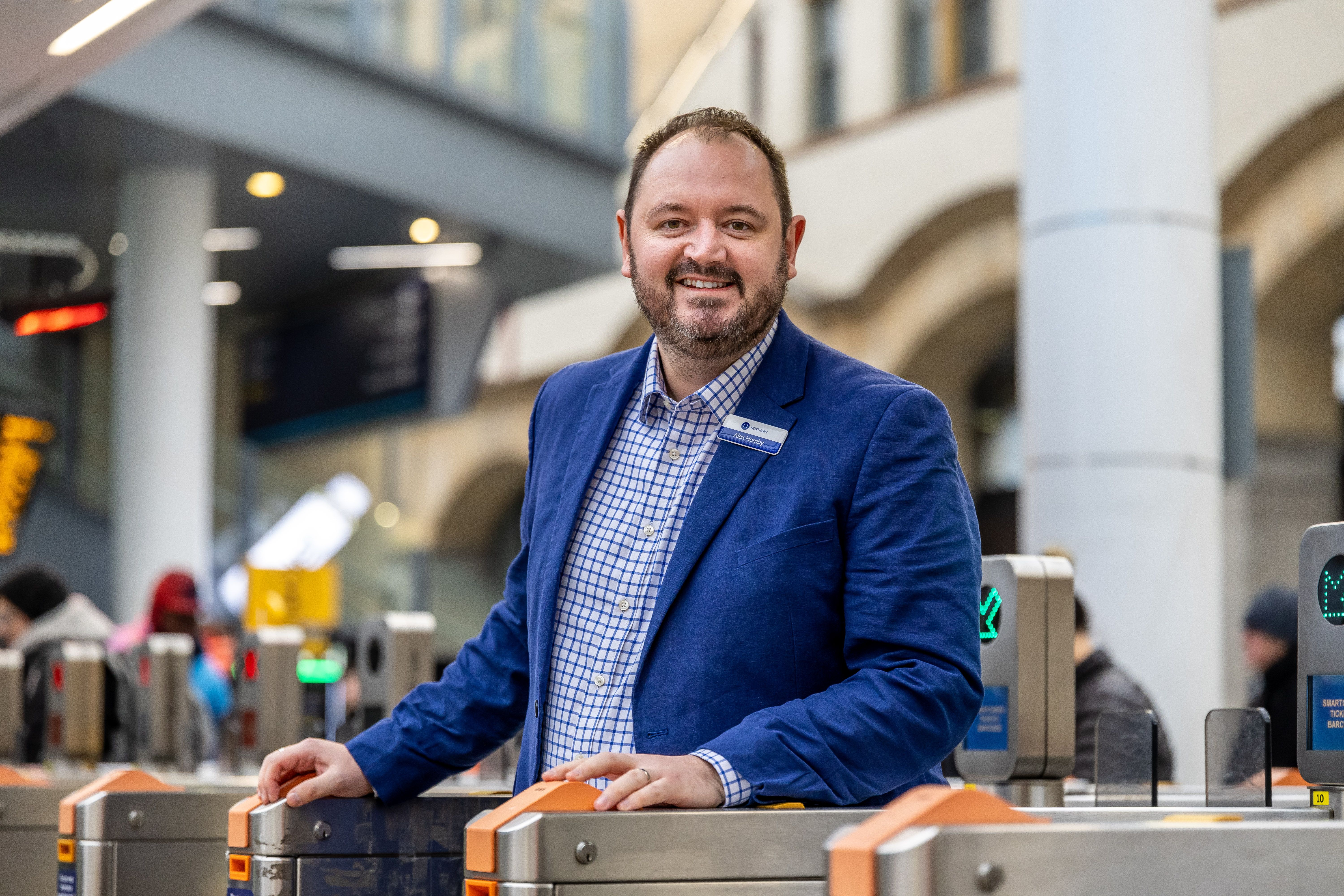
    Northern was selected to lead three Digital PAYG trials in Yorkshire with three different suppliers to provide an excellent testbed for this emerging and innovative payment system in the UK, whereby customers can tap in to the journeys via their device and allow GPS tracking alongside an intelligent back office to calculate the best fares for their journey. This is alongside emerging integrated and capped PAYG systems in Greater Manchester and the North East, as elected mayors create local, integrated transport systems across the North.

    With highly encouraging early results and deep customer insight, Alex will present early lessons and success stories, and answer the question: where could this all lead to next across an integrated railway inside a range of multi-modal public transport networks across the north?

10:40
  1. Theatre 1
    20 mins
  2. Theatre 2
    20 mins

    As transit networks embrace open payments, digital ticketing and ABT systems, the cybersecurity stakes have never been higher.

    This session explores global best practices to protect fare collection and passenger payment data, from preventing fraud and ransomware attacks to securing API's, back offices and payment gateways.

  3. Theatre 3
    20 mins
  4. Theatre 4
    20 mins
    • Insights from current digital PAYG trials, exploring new models for contactless travel, fare capping and ABT ticketing 
    • Aligning technology, fares and back-office systems to support more consistent PAYG travel across operators and regions as the GBR vision develops
    • How digital PAYG can simplify journeys, support fair and transparent pricing and provide operators with better data for planning and revenue protection
11:00
  1. Theatre 1
    20 mins
    • Hear directly from transit agencies in host cities on how they are upgrading fare payments, digital wallets and open-loop systems to support World Cup crowds
    • How agencies are coordinating with the city officials, stadiums and event organizers to integrate multimodal ticketing, fan flows and real-time updates
    • Preparing for game-day peaks: lessons learned, capacity modelling and operational innovations required to deliver seamless travel for international fans
  2. Theatre 2
    20 mins
    • How digital identity can streamline travel, automate concessions and support secure, inclusive access to public transport systems
    • Exploring biometrics, authentication standards and data privacy to balance innovation with passenger confidence and compliance
    • Exploring how national identity ID schemes and ABT can converge to deliver personalised, interoperable travel experiences
    • What transport authorities, technology providers and policy makers must do to create trusted, inclusive and interoperable digital identity ecosystems
  3. Theatre 3
    20 mins
    • How public and private partners have worked to unify a historically fragmented system, creating a framework that supports seamless travel across all regions and operators
    • Lessons from developing and implementing open loop payments, demonstrating how technology, governance and coordination can deliver a more inclusive, convenient experience for all travellers
    • Exploring how the national ticketing scheme continues to balance consistency with flexibility, supporting new mobility options, ensuring data privacy and aligning with the Netherlands' broader sustainability and digitalization goals
  4. Theatre 4
    20 mins
    • Insights from current digital PAYG trials, exploring new models for contactless travel, fare capping and ABT ticketing 
    • Aligning technology, fares and back-office systems to support more consistent PAYG travel across operators and regions as the GBR vision develops
    • How digital PAYG can simplify journeys, support fair and transparent pricing and provide operators with better data for planning and revenue protection
11:20
  1. Theatre 1
    20 mins
    • Hear directly from transit agencies in host cities on how they are upgrading fare payments, digital wallets and open-loop systems to support World Cup crowds
    • How agencies are coordinating with the city officials, stadiums and event organizers to integrate multimodal ticketing, fan flows and real-time updates
    • Preparing for game-day peaks: lessons learned, capacity modelling and operational innovations required to deliver seamless travel for international fans
  2. Theatre 2
    20 mins
    • How digital identity can streamline travel, automate concessions and support secure, inclusive access to public transport systems
    • Exploring biometrics, authentication standards and data privacy to balance innovation with passenger confidence and compliance
    • Exploring how national identity ID schemes and ABT can converge to deliver personalised, interoperable travel experiences
    • What transport authorities, technology providers and policy makers must do to create trusted, inclusive and interoperable digital identity ecosystems
  3. Theatre 3
    20 mins
    • How public and private partners have worked to unify a historically fragmented system, creating a framework that supports seamless travel across all regions and operators
    • Lessons from developing and implementing open loop payments, demonstrating how technology, governance and coordination can deliver a more inclusive, convenient experience for all travellers
    • Exploring how the national ticketing scheme continues to balance consistency with flexibility, supporting new mobility options, ensuring data privacy and aligning with the Netherlands' broader sustainability and digitalization goals
  4. Theatre 4
    20 mins

    As the UK moves towards a new rail structure under GBR, not all operators face the same journey. This session brings together early adopters, open access operators and privately managed services to discuss what reform means for innovation, customer experience and commercial models.

    • How are these operators adapting to policy changes, embracing digital ticketing and maintaining agility in a restructured rail landscape?
    • How early adopter regions and operators are preparing for transition under GBR and what lessons are emerging from the process
    • Balancing competition and collaboration while maintaining customer choice and innovation outside the franchised model
    • How unaffected operators are using technology, digital ticketing and service differentiation to remain competitive and connected
11:55
  1. IMPROVING THE TRANSIT EXPERIENCE - A GLOBAL OUTLOOK
    Theatre 1
    5 mins
  2. CROSS-BORDER TICKETING
    Theatre 2
    5 mins
  3. INTEGRATED TICKETING IN THE UK
    Theatre 3
    5 mins
  4. FARE MODELLING & POLICIES - MEETING THE CHANGING NEEDS OF YOUR PASSENGERS
    Theatre 4
    5 mins
12:00
  1. Theatre 1
    20 mins

    Switzerland's public transport sector is entering a major phase of structural transformation. As traditional ticket machine usage declines, the industry faces the challenge of keeping travel simple, inclusive and affordable for all. With around 250 transport operators collaborating through the nationwide Alliance SwissPass, the goal is clear: deliver a seamless, unified 'One Journey' experience for every passenger. A central pillar of this evolution is the move towards and account-based, paper and cashless ticketing model. For SBB, this transition carries a strong responsibility: supporting national harmonisation, contributing to common standards and driving innovation across the network.

    Drawing on market research, field tests and newly developed industry products, this session explores what the next 5-10 years of account-based ticketing will look like for Switzerland.

  2. Theatre 2
    20 mins
  3. Theatre 3
    20 mins

    Inspired by Switzerland's world-leading rural transport model, the Mini Switzerland project aims to demonstrate how fully integrated, reliable and digitally enabled mobility can be delivered in the UK's Peak District.

    This session explores the vision for a network where buses and trains connect seamlessly, ticketing is simple and digital and hourly services become the minimum standard. Discover how this pilot could transform rural connectivity and set a new benchmark for passenger experience across regional transport.

  4. Theatre 4
    20 mins

    The commercial viability of fare reductions being paid for by passenger growth has historically been hard to quantify. Operators are understandably hesitant to take on the risk and there has been limited public funding available to support experimentation. The National Bus Fare Cap provided a rare real-world opportunity to test this theory.

    Luke will present evidence on how passenger behaviour changed under the '2 cap, the impact of the rise to '3, and key considerations for any transition if and when the fare cap ends.

12:20
  1. Theatre 1
    20 mins

    Discover how Mexico is preparing a nationwide ticketing solution to support over 2,000 kilometres of new passenger rail services, spanning urban, suburban and intercity systems.

    This session will explore the vision for a unified prepaid card and integrated payment methods designed to ensure interoperability, inclusivity and seamless passenger experiences across regions. Drawing on lessons from Mexico City’s large-scale fare collection reforms, this session will highlight strategies to design scalable, secure and innovative systems for complex rail networks worldwide.

  2. Theatre 2
    20 mins
    • Examine how cross-border ticketing can improve the travel experience for passengers by offering seamless journeys, simplified payment methods and flexible fare options
    • Interoperability in cross-border public transport ticketing
    • Discuss how digital solutions can facilitate cross-border travel, making it easier for passengers to purchase and use tickets across multiple countries and transit networks
    • Explore the difficulties in aligning different fare structures, technologies and legal frameworks across European borders and how industry collaboration can address these disparities for seamless, cross-border ticketing
  3. Theatre 3
    20 mins
  4. Theatre 4
    20 mins

    What happens when the DfT imposes a'2 single fare cap and further funding is not available to discount period tickets.' Which customers were most affected, who took the switch to more frequent ticket buying or were different changes made by passengers. Against the backdrop of national scheme is one of retail transformation, improving the digital offer and convenience of having a ticket machine in your pocket.' There are also changes to multi-modal ticketing - a must have for areas to deliver integration and improve the passenger experience.

    In this presentation John delves into the data to uncover trends and how this can link to other factors involved when choosing to buy a ticket.

12:40
  1. Theatre 1
    20 mins

    As cities in emerging markets embrace digital transformation, open loop fare collection systems offer a pathway to greater ridership, improved financial inclusion, and reduced subsidy dependence.

    This session explores the practical challenges and successes of implementing ABT in high-demand transit environments. From navigating regulatory and inter-agency complexities to balancing revenue protection with inclusive digital access, participants will gain insight from real-world applications such as MRT Jakarta’s journey toward sustainable farebox growth. The discussion will also highlight how transit data can be leveraged to drive operational efficiency and enhance service quality for riders.

  2. Theatre 2
    20 mins
    • Examine how cross-border ticketing can improve the travel experience for passengers by offering seamless journeys, simplified payment methods and flexible fare options
    • Interoperability in cross-border public transport ticketing
    • Discuss how digital solutions can facilitate cross-border travel, making it easier for passengers to purchase and use tickets across multiple countries and transit networks
    • Explore the difficulties in aligning different fare structures, technologies and legal frameworks across European borders and how industry collaboration can address these disparities for seamless, cross-border ticketing
  3. Theatre 3
    20 mins
  4. Theatre 4
    20 mins
    • Explore the impact of time-based pricing models such as peak and off-peak fares on reducing congestion and optimizing revenue
    • Strategies to ensure that fare changes benefit the low-income passengers and vulnerable communities while maintaining a financially sustainable system  
    • The role of smart ticketing and mobile apps in implementing flexible fare models, including loyalty schemes and real-time fare adjustments
    • Off peak fare trials and how to restimulate demand
13:55
  1. IMPROVING THE TRANSIT EXPERIENCE - A GLOBAL OUTLOOK
    Theatre 1
    5 mins
  2. TRANSFORMING JOURNEYS THROUGH INNOVATIVE PAYMENT SOLUTIONS
    Theatre 2
    5 mins
  3. INTEGRATED TICKETING IN THE UK
    Theatre 3
    5 mins
  4. BUS FRANCHISING IN THE UK
    Theatre 4
    5 mins
14:00
  1. Theatre 1
    20 mins
  2. Theatre 2
    20 mins
  3. Theatre 3
    20 mins
    • How regional devolution is reshaping ticketing strategy and enabling more responsive, locally driven transport solutions
    • Emerging approaches to deliver regional multi-modal and multi-operator ticketing solutions
    • Why seamless, integrated travel matters for passengers, operators and government priorities including efficiency, simplicity, and sustainability
    • What lessons from large-scale deployments reveal about building a connected mobility ecosystem and informing future national framework
    • Overcoming interoperability challenges, such as consistency of customer experience, fare capping, data standards and operator collaboration, to deliver interoperable ticketing in a devolved market
  4. Theatre 4
    20 mins

    As UK regions move towards new models of bus franchising, from Greater Manchester's Bee Network to schemes emerging in the West Midlands and Liverpool City Region, the question is no longer if franchising will happen, but how it will deliver better value, data insights and seamless journeys.

    • How can franchised networks remain financially viable without exhausting subsidy budgets or preventing growth, and what lessons can be learned from past deregulation?
    • What role can smart ticketing, open data, and integrated payments play in improving passenger experience and operational efficiency?
    • How can authorities and operators ensure that truly local bus services (not just interurban routes) cross franchised and non-franchised boundaries seamlessly?
14:20
  1. Theatre 1
    20 mins
  2. Theatre 2
    20 mins
  3. Theatre 3
    20 mins
    • How regional devolution is reshaping ticketing strategy and enabling more responsive, locally driven transport solutions
    • Emerging approaches to deliver regional multi-modal and multi-operator ticketing solutions
    • Why seamless, integrated travel matters for passengers, operators and government priorities including efficiency, simplicity, and sustainability
    • What lessons from large-scale deployments reveal about building a connected mobility ecosystem and informing future national framework
    • Overcoming interoperability challenges, such as consistency of customer experience, fare capping, data standards and operator collaboration, to deliver interoperable ticketing in a devolved market
  4. Theatre 4
    20 mins

    As UK regions move towards new models of bus franchising, from Greater Manchester's Bee Network to schemes emerging in the West Midlands and Liverpool City Region, the question is no longer if franchising will happen, but how it will deliver better value, data insights and seamless journeys.

    • How can franchised networks remain financially viable without exhausting subsidy budgets or preventing growth, and what lessons can be learned from past deregulation?
    • What role can smart ticketing, open data, and integrated payments play in improving passenger experience and operational efficiency?
    • How can authorities and operators ensure that truly local bus services (not just interurban routes) cross franchised and non-franchised boundaries seamlessly?
14:40
  1. Theatre 1
    20 mins
  2. Theatre 2
    20 mins
  3. Theatre 3
    20 mins
  4. Theatre 4
    20 mins

    As UK regions move towards new models of bus franchising, from Greater Manchester's Bee Network to schemes emerging in the West Midlands and Liverpool City Region, the question is no longer if franchising will happen, but how it will deliver better value, data insights and seamless journeys.

    • How can franchised networks remain financially viable without exhausting subsidy budgets or preventing growth, and what lessons can be learned from past deregulation?
    • What role can smart ticketing, open data, and integrated payments play in improving passenger experience and operational efficiency?
    • How can authorities and operators ensure that truly local bus services (not just interurban routes) cross franchised and non-franchised boundaries seamlessly?
15:20
  1. Theatre 1
    40 mins
  2. Theatre 2
    40 mins
  3. Theatre 3
    40 mins
  4. Theatre 4
    40 mins

Apply to Speak

Share your story and take to the Transport Ticketing Global stage alongside the most influential smart ticketing leaders and experts. 

Think you've got what it takes?

Suggest a Topic

Help shape this year's conference agenda by suggeting a topic or speaker. What are your greatest challenges? What keeps you up at night?

Who do you want to see on stage this year?